
 By
By தமிழ் மொழிபெயர்ப்பு கீழே உள்ளது.
Click here to download the full report.
Executive Summary
Freedom of the Press: A coalition of 141 civil society organisations and activists condemned the ongoing surveillance, harassment, and intimidation of Mullaitivu-based journalist Kumanan Kanapathipillai. Célia Mercier, Head of the RSF South Asia Desk, emphasized: “This is an extremely serious attack on a reporter who has already been targeted on many occasions for his work. The new baseless accusations illustrate the authorities’ repeated attempts to silence critical voices and criminalise independent journalism in Sri Lanka’s Tamil regions. There is an urgent need to end these repeated attacks on press freedom.”
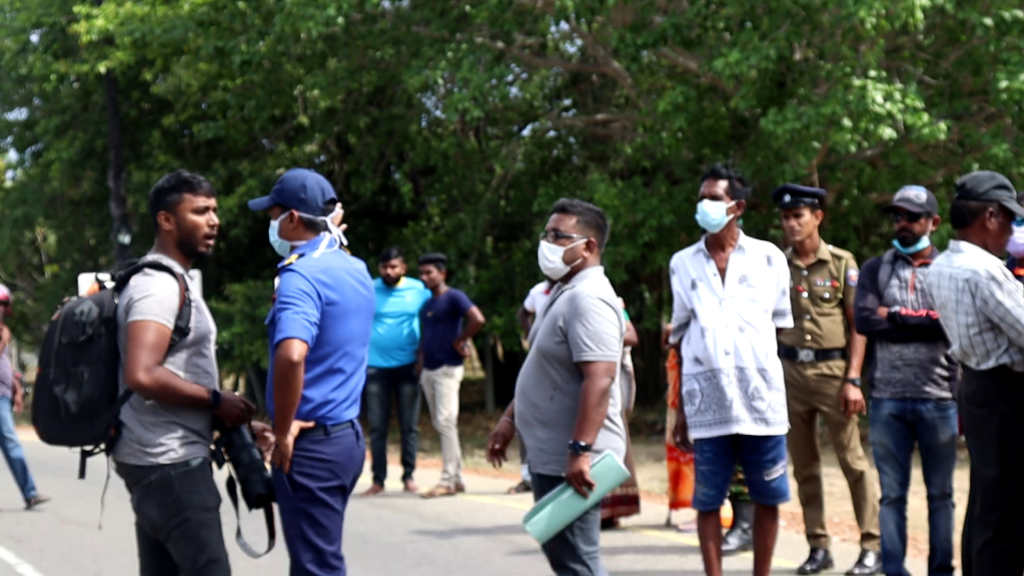
Freedom of Assembly and Association: The former president and secretary of the Vedukkunaari Malai Aathi Shivan Temple in Vavuniya, Sasikumar and Tamilchelvan, were summoned by the Police to provide statements. Both men were previously arrested and remanded on the day of Maha Shivaratri last year.
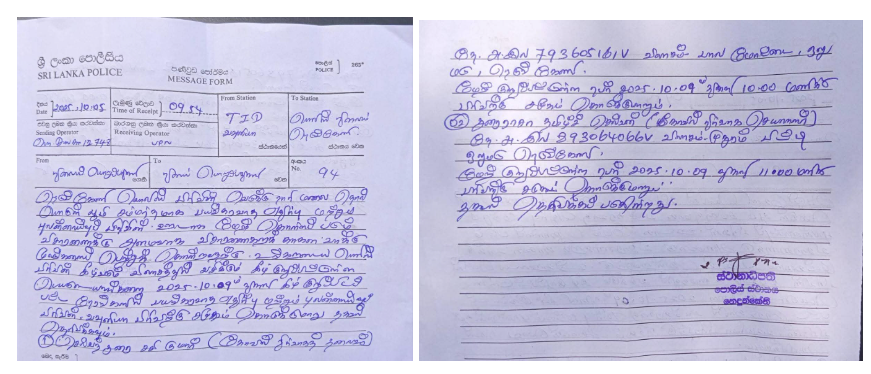
The Anti-Terrorism Squad has launched an investigation into Dharmalingam Suresh, the national organiser of the Tamil National People’s Front, who was summoned to the Counter Terrorism Division in Colombo and questioned for more than five hours.
Click here to download the full report.
Accountability: At the United Nations Human Rights Council (UNHRC) Sixtieth Session, Resolution A/HRC/60/L.1/Rev.1, titled “Promoting Reconciliation, Accountability and Human Rights in Sri Lanka,” was adopted without a vote, extending the mandate of the Office of the High Commissioner for Human Rights (OHCHR) for two more years.
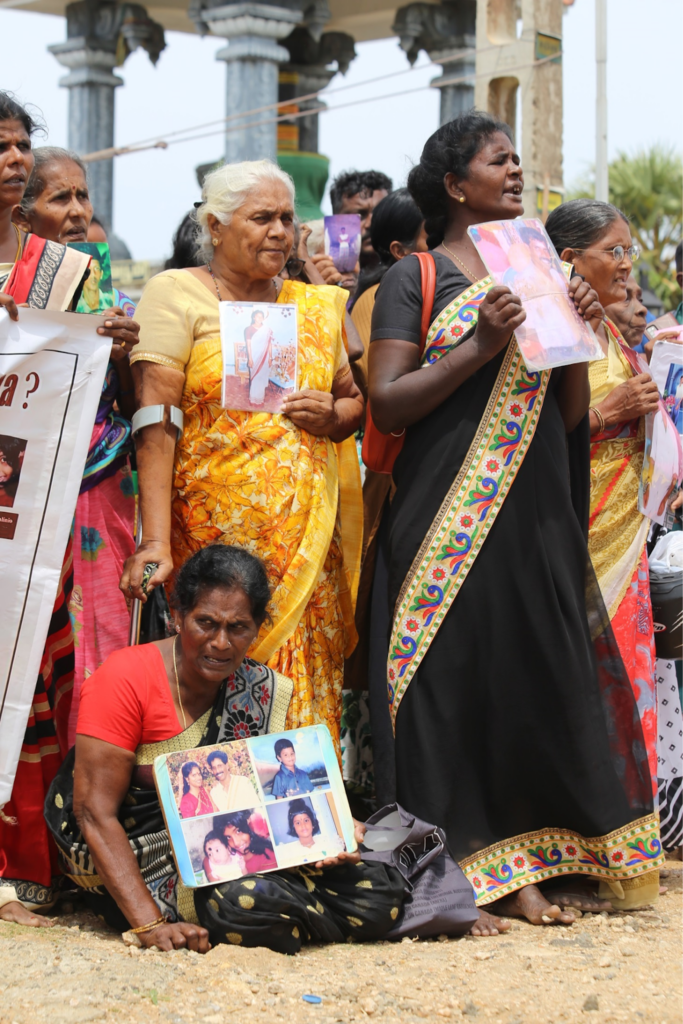
The rotating hunger strike organized by the Association of Relatives of Enforced Disappeared Persons in the North and East. Jaffna, Northern Province. 1st October 2025. Photo Courtesy: Tamil Guardian
Against this background, the Association of Relatives of Enforced Disappeared Persons in the North and East organised a rotating hunger strike in Jaffna, Semmani, and the Eastern Province.
The Chemmani mass grave case was recently taken up before the Jaffna Magistrate’s Court and adjourned due to a lack of funds required for the next phase of excavation. The Human Rights Commission of Sri Lanka (HRCSL) stressed that investigative agencies should not wait for courts to initiate excavation orders but must instead conduct preliminary investigations and seek court approval based on established facts, noting that courts act only upon formal requests and do not initiate such actions themselves.
Meanwhile, the Eastern Province Association for the Relatives of the Forced Disappeared criticized the international community and the United Nations for failing to pursue an international investigation.
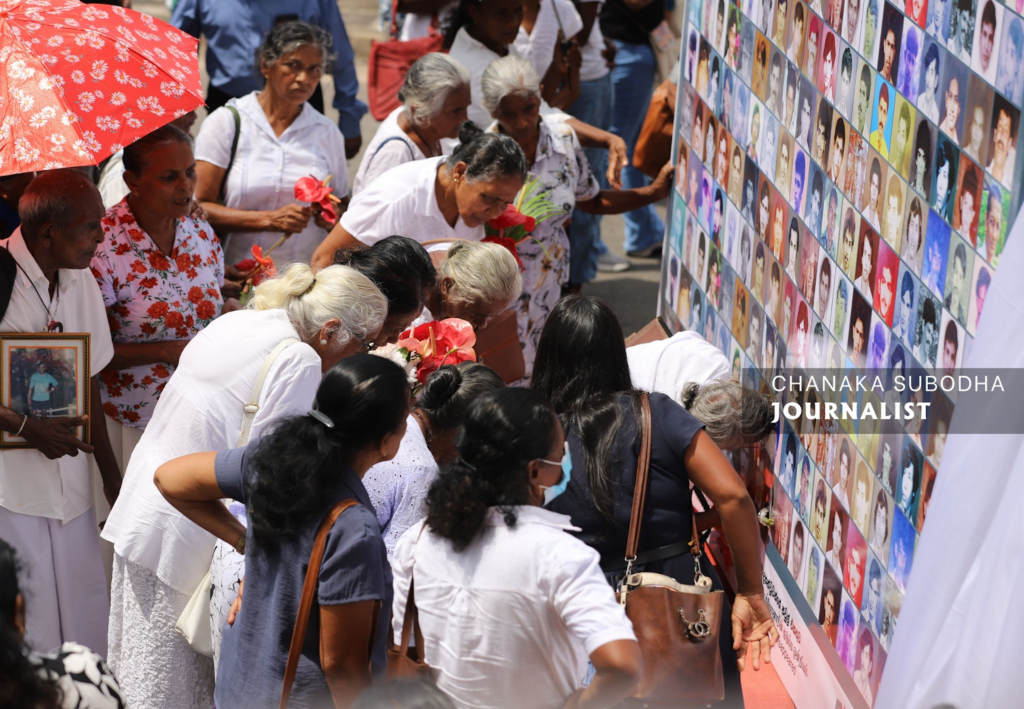
Police Misconduct: Homagama High Court Judge Navaratna Marasinghe sentenced a former Borella police officer to fourteen years of rigorous imprisonment for sexually abusing an eight-year-old girl. The court ruled that the officer had gravely violated the trust placed in him by both the Police Department and society.
In the North, tensions between the legal community and police intensified after officers allegedly entered and searched the home of a female lawyer in Jaffna without a court warrant.
Public outrage also grew following the circulation of a video showing a doctor and an engineer being questioned at the Panadura Police Station, reportedly recorded without their consent. Senior lawyer Thishya Weragoda condemned the act as a ‘ghost-like interrogation’ and a serious violation of privacy, asserting that it contradicted earlier commitments by senior police officials to uphold the Personal Data Protection Act during investigations.
Legal experts have criticized the growing trend of police sharing videos of suspects with the media and on social platforms. Former Bar Association President Saliya Pieris PC described such practices as ‘childish acts’ that undermine investigations and compromise identification parades under Section 124 of the Code of Criminal Procedure Act.
In Vithanage Sunil v. Police Officers (SC FR No. 259/2016), six officers, including the former Officer-in-Charge of the Kottawa Police Station, were found guilty of violating Articles 11, 12(1), and 13(1) of the Constitution by unlawfully arresting, assaulting, and humiliating a bus operator in July 2016. Similarly, in Thilina Rajapaksha v. Police Officers (SC FR No. 90/2021), the Supreme Court ruled that three officers from the Alawwa Police Station had violated the fundamental rights of journalist Thilina Rajapaksha, who was assaulted and unlawfully detained in 2021. The court ordered the officers to personally pay Rs. 75,000 in compensation and directed the Attorney General to initiate a criminal investigation into their conduct.
Click here to download the full report.
Prisoners’ Rights: Commissioner of Prisons and Media Spokesman Jagath Weerasinghe revealed that Sri Lanka’s 36 prisons, built for 10,500 inmates, currently house over 36,000. The overcrowding, he said, could soon exceed 40,000 prisoners, including children living with their mothers, and highlighted the alarming spread of toxic drug combinations. He urged political authorities to sentence major drug offenders to death.
| “Those who bring drugs into the country on a large scale are destroying the entire nation. They must be hanged. There is nothing sinful about it.” Commissioner of Prisons and Media Spokesman Jagath Weerasinghe |
The Judicial Service Commission (JSC) has issued a circular instructing Magistrates to refrain from issuing orders that grant special detention arrangements or special protection to suspects or prisoners. The circular specifies that Magistrates should not order suspects or prisoners to be detained in special prisons or to be given any special protection. Requests made in open court for such protection should be referred to the relevant prison superintendent.
Malayaga Community: Residents of the Malayaga community from a southern small-holder plantation in the Galle District are facing the threat of eviction as landowners intend to sell the land, even as authorities claim no legal intervention can be made due to the land’s private ownership. With nowhere else to go, these Malayaga people continue to live without legal claim to the land they have occupied for generations.
LGBTQI+ Community: In the wake of controversy surrounding the alleged promotion of LGBTIQ+ tourism in Sri Lanka, Prime Minister Harini Amarasuriya told Parliament that the Sri Lanka Tourism Development Authority (SLTDA) Chairman had issued a letter on the subject without consulting the political authority. She clarified that the government’s policy was not to promote or grant special privileges to any particular group, and emphasized that sensitive issues should not be used for political mileage.
Legal Reforms: President Anura Kumara Dissanayake emphasized the need to ensure their safety, access to education, proper nutrition, healthcare, and protection from abuse, discrimination, and all forms of violence, including special attention to children with developmental challenges such as autism. Yet, in discussions around the Penal Code (Amendment) Bill banning corporal punishment, he stated that laws should not be enacted if the public does not agree, implying that the government may not push forward a law even if it strengthens children’s rights.
The government is pressing ahead with its presidential election promise to establish an Independent Prosecutor Office (IPO), despite protests from the opposition and certain civil society organizations.
The Cabinet of Ministers granted approval to sign the United Nations Convention against Cybercrimes (UNCC). The convention aims to enhance Sri Lanka’s ability to prevent and respond to cybercrimes, strengthen cooperation, recover assets, protect witnesses and victims, and improve technological capacity.
Land Rights: More than 352 farming families from the Trincomalee Pattinamum Kukulum area remain in distress after losing their agricultural lands, which they had cultivated since 1972. The Ports Authority had claimed ownership of the lands and ordered the farmers to vacate by 2023. Despite over five decades of agricultural activity, approximately 800 acres of farmland have been confiscated, with more than 200 acres allocated to private companies for solar power projects.
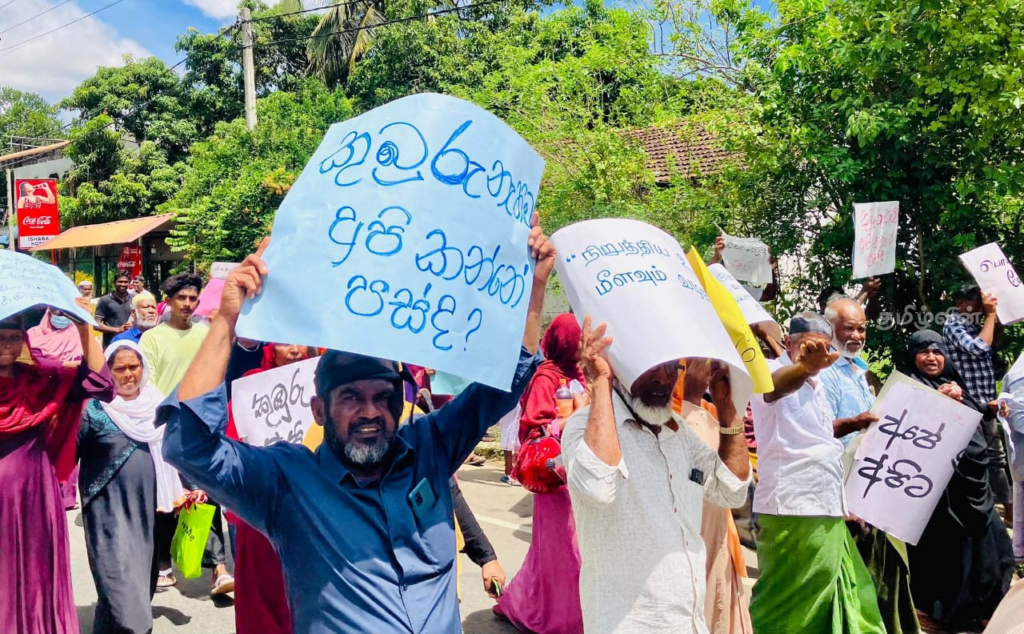
Minister of Environment, Dammika Patabendi, announced that 101,762.75 acres of land across the Vanni region will be released from state control. He claimed that past governments had mistakenly absorbed villages, farms, schools, and hospitals into forest reserves due to GPS mapping errors. The lands—22,804.40 acres in Vavuniya, 17,782.8 acres in Mannar, and 48,532.6 acres in Mullaitivu—are to be released as part of a cabinet decision.
Environmental Rights: The Mannar Wind Power Project, promoted by the government as a cornerstone of its renewable energy transition, has become the centre of an environmental, social, and political conflict, exposing tensions between development goals and the rights of marginalised communities. For over 60–70 days, residents of Mannar Island have sustained peaceful protests against the project, alleging that it has proceeded without transparency, adequate consultation, or community consent, and that police have used force to suppress dissent, injuring activists and criminalising democratic protests.Despite mounting opposition, the government maintains that the project is essential for energy security, climate commitments, and economic stability.
Other: HRCSL has directed the Sri Lanka Customs to submit its report on a complaint of ‘unlawful and illegal detention of a consignment of Holy Quran (Tamil) in violation of fundamental rights’ received by the HRCSL. The complaint filed with HRCSL by an Attorney-at-Law, on behalf of the Sri Lankan Muslims, alleges that the rights guaranteed under Chapter III of the Constitution have been violated by the Sri Lanka Customs, allegedly acting on the ‘interference of a former secretary of the Defence Ministry, purporting to act on behalf of the then government’. The complaint alleges that the illegal detention of the Holy Quran “unfairly targets the Muslim minority and sets a dangerous precedent of state interference in religious texts”.
Click here to download the full report.
இலங்கையில் மனித உரிமைகள் நிலைமை, ஒக்ரோபர் 2025
Click here to download the full report.
நிறைவேற்றுச் சாராம்சம்
பத்திரிகைச் சுதந்திரம்: முல்லைத்தீவைச் சேர்ந்த இதழியலாளர் குமணன் கணபதிப்பிள்ளை மீதான தொடர்ச்சியான கண்காணிப்பினையும், துன்புறுத்தலையும் மற்றும் மிரட்டலையும் 141 சிவில் சமூக அமைப்புகளினதும் மற்றும் ஆர்வலர்களினதும் கூட்டணி கண்டித்துள்ளது. “இது ஏற்கனவே பல சந்தர்ப்பங்களில் தனது பணிக்காக குறிவைக்கப்பட்ட ஒரு நிருபர் மீதான மிகவும் கடுமையான தாக்குதலாகும். இலங்கையின் தமிழ் பிராந்தியங்களில் விமர்சனக் குரல்களை மௌனமாக்கவும் அத்துடன் சுயாதீன இதழியலை குற்றமாக்கவும் அலுவலர்கள் மீண்டும் மீண்டும் முயற்சிப்பதை புதிய ஆதாரமற்ற குற்றச்சாட்டுக்கள் சித்தரிக்கின்றன. பத்திரிகைச் சுதந்திரத்தின் மீதான இந்த தொடர்ச்சியான தாக்குதல்களை முடிவுக்குக் கொண்டுவருவது அவசரத் தேவையாகும்” என RSF தெற்காசியப் பிரிவின் தலைவர் செலியா மெர்சியர் வலியுறுத்தினார்.
ஒன்றுகூடும் மற்றும் சங்கம் அமைக்கும் சுதந்திரம்: வவுனியாவில் உள்ள வெடுக்குநாரி மலை ஆதி சிவன் ஆலயத்தின் முன்னாள் தலைவர் சசிகுமார் மற்றும் செயலாளர் தமிழ்ச்செல்வன் ஆகியோர் வாக்குமூலம் அளிக்க பொலிஸாரினரால் அழைக்கப்பட்டனர். இருவரும் ஏற்கனவே கடந்த ஆண்டு மகா சிவராத்திரி தினத்தன்று கைது செய்யப்பட்டு, விளக்கமறியலில் வைக்கப்பட்டிருந்தனர்.
கொழும்பில் உள்ள பயங்கரவாத எதிர்ப்புப் பிரிவுக்கு தமிழ் தேசிய மக்கள் முன்னணியின் தேசிய அமைப்பாளர் தர்மலிங்கம் சுரேஷ் அழைக்கப்பட்டு ஐந்து மணி நேரத்திற்கும் மேலாக விசாரிக்கப்பட்ட நிலையில், அவரிடம் பயங்கரவாதத் தடுப்புப் பிரிவு விசாரணையைத் தொடங்கியுள்ளது.
Click here to download the full report.
பொறுப்புக்கூறல்: ஐக்கிய நாடுகள் சபையின் மனித உரிமைகள் பேரவையின் [United Nations Human Rights Council (UNHRC)] அறுபதாவது அமர்வில், “இலங்கையில் நல்லிணக்கத்தையும், பொறுப்புக்கூறலையும் மற்றும் மனித உரிமைகளையும் ஊக்குவித்தல்” என்ற தலைப்பிலான தீர்மானம் A/HRC/60/L.1/Rev.1 வாக்கெடுப்பின்றி ஏற்றுக்கொள்ளப்பட்டது. இதன் மூலம் மனித உரிமைகளுக்கான உயர் ஆணையாளர் அலுவலகத்தின் [Office of the High Commissioner for Human Rights (OHCHR)] பணிக்காலம் மேலும் இரண்டு ஆண்டுகளுக்கு நீடிக்கப்பட்டது.
வடக்கு மற்றும் கிழக்கில் வலுக்கட்டாயமாக காணாமல் ஆக்கப்பட்டவர்களின் உறவினர்கள் சங்கத்தால் ஏற்பாடு செய்யப்பட்ட சுழற்சி உண்ணாவிரதப் போராட்டம். யாழ்ப்பாணம், வட மாகாணம். 1 ஒக்ரோபர் 2025. புகைப்பட உபயம்: தமிழ் கார்டியன்
இந்தப் பின்னணியில், வடக்கு மற்றும் கிழக்கு ஆகிய பகுதிகளில் கட்டாயமாக காணாமல் ஆக்கப்பட்டவர்களின் உறவினர்கள் சங்கம் யாழ்ப்பாணம், செம்மணி மற்றும் கிழக்கு மாகாணம் ஆகியவற்றில் சுழற்சி முறையிலான உண்ணாவிரதப் போராட்டத்தை ஏற்பாடு செய்தது.
செம்மணிப் புதைகுழி வழக்கு சமீபத்தில் யாழ்ப்பாணம் நீதவான் நீதிமன்றத்தில் விசாரணைக்கு எடுத்துக்கொள்ளப்பட்டு, அடுத்த கட்ட அகழ்வாராய்ச்சிக்குத் தேவையான நிதி பற்றாக்குறை காரணமாக ஒத்திவைக்கப்பட்டது. இவ்விடயத்தில், அகழ்வுப் பணிகளைத் தொடங்க நீதிமன்ற உத்தரவுக்காக விசாரணை அமைப்புகள் காத்திருக்கக் கூடாது, ஆனால் முதற்கட்ட விசாரணைகளை நடத்தி நிறுவப்பட்ட உண்மைகளின் அடிப்படையில் நீதிமன்ற ஒப்புதலைப் பெற வேண்டும் என்று இலங்கை மனித உரிமைகள் ஆணைக்குழு [Human Rights Commission of Sri Lanka (HRCSL)] வலியுறுத்தியதுடன், நீதிமன்றங்கள் முறையான கோரிக்கைகளின் பேரில் மட்டுமே செயல்படுவதுடன், அத்தகைய நடவடிக்கைகளைத் தாங்களாகவே தொடங்குவதில்லை எனக் குறிப்பிட்டது.
இதற்கிடையில், சர்வதேச விசாரணையை முன்னெடுக்கத் தவறியதற்காக சர்வதேச சமூகத்தையும் மற்றும் ஐக்கிய நாடுகளையும் கட்டாயமாக காணாமல் ஆக்கப்பட்டவர்களின் உறவினர்களுக்கான கிழக்கு மாகாண சங்கம் விமர்சித்தது.
பொலிஸின் தவறான நடத்தை: எட்டு வயதுச் சிறுமியை பாலியல்ரீதியாக துஷ்பிரயோகம் செய்ததற்காக பொரளை முன்னாள் பொலிஸ் அலுவலர் ஒருவருக்கு பதினான்கு ஆண்டுகள் கொண்ட கடூழியச் சிறைத்தண்டனையை ஹோமாகம உயர் நீதிமன்ற நீதிபதி நவரட்ண மாரசிங்க விதித்தார். பொலிஸ் திணைக்களம் மற்றும் சமூகம் ஆகிய இரண்டும் அந்த அலுவலர் மீது வைத்திருந்த நம்பிக்கையை அவர் கடுமையாக மீறியுள்ளதாக நீதிமன்றம் தீர்ப்பளித்தது.
வடக்கில், யாழ்ப்பாணத்தில் நீதிமன்ற பிடியாணையொன்று இல்லாமல் ஒரு பெண் வழக்கறிஞரின் வீட்டிற்குள் பொலிஸ் அலுவலர்கள் பிரவேசித்து சோதனை நடத்தியதாகக் கூறப்பட்டதைத் தொடர்ந்து, சட்ட சமூகத்திற்கும் மற்றும் பொலிஸாருக்கும் இடையிலான பதட்டங்கள் தீவிரமடைந்தன.
பாணந்துறை பொலிஸ் நிலையத்தில் மருத்துவர் ஒருவரும் மற்றும் பொறியியலாளர் ஒருவரும் விசாரிக்கப்படுவதைக் காட்டும் காணொளி பரவியதைத் தொடர்ந்து, பொதுமக்களின் சீற்றமும் அதிகரித்தது. இது அவர்களின் அனுமதியின்றி பதிவு செய்யப்பட்டதாகக் கூறப்படுகிறது. இந்தச் செயலை ‘பேய் போன்ற விசாரணை’ என்றும், தனியுரிமையை கடுமையாக மீறுகின்றது என்றும் சிரேஷ்ட வழக்கறிஞர் திஷ்ய வேரகொட கண்டனம் தெரிவித்ததுடன், விசாரணைகளின் போது, தனிப்பட்ட தரவு பாதுகாப்புச் சட்டத்தை நிலைநிறுத்துவதற்கான சிரேஷ்ட பொலிஸ் அலுவலர்களின் முந்தைய உறுதிமொழிகளுக்கு இது முரணானது என்று வலியுறுத்தினார்.
சந்தேக நபர்களின் காணொளிகளை ஊடகங்களிலும் மற்றும் சமூக தளங்களிலும் பொலிஸார் பகிர்ந்து கொள்ளும் போக்கு அதிகரித்து வருவதை சட்ட வல்லுநர்கள் விமர்சித்துள்ளனர். குற்றவியல் நடைமுறைச் சட்டத்தின் பிரிவு 124இன் கீழ் விசாரணைகளைக் குறைமதிப்பிற்கு உட்படுத்தும் மற்றும் அடையாள அணிவகுப்புகளை சமரசம் செய்யும் ‘குழந்தைத்தனமான செயல்கள்’ என்று வழக்கறிஞர்கள் சங்க முன்னாள் தலைவர் சாலிய பீரிஸ் விவரித்தார்.விதானகே சுனில் எதிர் பொலிஸ் அலுவலர்கள் (SC FR எண். 259/2016) என்ற வழக்கில், கொட்டாவ பொலிஸ் நிலையத்தின் முன்னாள் பொறுப்பதிகாரி உட்பட ஆறு அலுவலர்கள், ஜூலை 2016இல் ஒரு பேருந்து நடத்துனரை சட்டவிரோதமாக கைது செய்து, தாக்கி, அவமானப்படுத்தியதன் மூலம் அரசியலமைப்பின் 11, 12(1) மற்றும் 13(1) ஆகிய பிரிவுகளை மீறியதற்காக குற்றவாளிகள் எனக் கண்டறியப்பட்டனர். இதேபோல், திலின ராஜபக்ஷ எதிர் பொலிஸ் அலுவலர்கள் (SC FR எண். 90/2021) என்ற வழக்கில், 2021இல் தாக்கப்பட்டு, சட்டவிரோதமாகத் தடுத்து வைக்கப்பட்ட இதழியலாளர் திலின ராஜபக்ஷவின் அடிப்படை உரிமைகளை அளவ்வை பொலிஸ் நிலையத்தைச் சேர்ந்த மூன்று அலுவலர்கள் மீறியதாக மீஉயர் நீதிமன்றம் தீர்ப்பளித்தது. அலுவலர்களிடம் தனிப்பட்ட முறையில் ரூ. 75,000 இழப்பீடு வழங்க நீதிமன்றம் உத்தரவிட்டதுடன், அவர்களின் நடத்தை குறித்து குற்றவியல் விசாரணையைத் தொடங்குமாறு சட்டமா அதிபரைப் பணித்தது.
Click here to download the full report.
கைதிகளின் உரிமைகள்: இலங்கையின் 10,500 கைதிகளுக்காக கட்டப்பட்ட 36 சிறைச்சாலைகளில் தற்போது 36,000க்கும் மேற்பட்டோர் அடைக்கப்பட்டுள்ளனர் என்று சிறைச்சாலை ஆணையாளரும் மற்றும் ஊடகப் பேச்சாளருமான ஜகத் வீரசிங்க தெரிவித்தார். இந்த நெரிசல், விரைவில் 40,000 கைதிகளைத் தாண்டும் என்றும், இதில் தாய்மார்களுடன் வசிக்கும் குழந்தைகள் உள்ளடங்குகின்றனர் என்றும் அவர் கூறியதுடன், நச்சுத்தன்மை வாய்ந்த போதைப்பொருள் கலவைகளின் பரவலையும் அவர் எடுத்துக்காட்டினார். முக்கிய போதைப்பொருள் குற்றவாளிகளுக்கு மரண தண்டனை விதிக்குமாறு அரசியல் அதிகாரிகளை அவர் வலியுறுத்தினார்.
| “நாட்டிற்குள் போதைப்பொருட்களை பெருமளவில் கொண்டு வருபவர்கள் முழு தேசத்தையும் அழிக்கிறார்கள். அவர்கள் தூக்கிலிடப்பட வேண்டும். இது குறித்து பாவம் எதுவும் இல்லை.” சிறைச்சாலை ஆணையாளர் மற்றும் ஊடகப் பேச்சாளர் ஜகத் வீரசிங்க |
சந்தேக நபர்களுக்கு அல்லது கைதிகளுக்கு விசேட தடுப்பு ஏற்பாடுகளை அல்லது விசேட பாதுகாப்பு வழங்கும் உத்தரவுகளை பிறப்பிப்பதை நீதிபதிகள் தவிர்க்க வேண்டும் என்று நீதித்துறை சேவை ஆணைக்குழு [Judicial Service Commission (JSC)] ஒரு சுற்றறிக்கையை வெளியிட்டுள்ளது. சந்தேக நபர்களையோ அல்லது கைதிகளையோ விசேட சிறைச்சாலைகளில் தடுத்து வைக்கவோ அல்லது அவர்களுக்கு எந்த விசேட பாதுகாப்பும் வழங்கவோ நீதிபதிகள் உத்தரவிடக்கூடாது என்று சுற்றறிக்கை குறிப்பிடுகிறது. அத்தகைய பாதுகாப்புக்காக திறந்த நீதிமன்றத்தில் செய்யப்படும் கோரிக்கைகள் சம்பந்தப்பட்ட சிறைச்சாலை அத்தியட்சகருக்கு அனுப்பப்பட வேண்டும்.
மலையக சமூகம்: காலி மாவட்டத்தில், தெற்குப் பகுதியில் உள்ள ஒரு சிறு உடமையாளர் தோட்டத்தின் மலையகச் சமூகத்தைச் சேர்ந்த குடியிருப்பாளர்கள், அவர்கள் குடியிருக்கும் நிலத்தை நில உரிமையாளர்கள் விற்க விரும்புவதால், நிலத்தின் தனிப்பட்ட உரிமை காரணமாக எந்த சட்டப்பூர்வ தலையீடும் செய்ய முடியாது என்று அலுவலர்கள் கூறுவதனால் வெளியேற்றப்படும் அச்சுறுத்தலை எதிர்கொள்கின்றனர். வேறு எங்கும் செல்ல முடியாத நிலையில், இந்த மலையக மக்கள் பல தலைமுறைகளாக தாங்கள் குடியமர்ந்துள்ள நிலத்திற்கு சட்டப்பூர்வ உரிமை இல்லாமல் தொடர்ந்தும் வாழ்கின்றனர்.
LGBTQI+ சமூகம்: இலங்கையில் LGBTIQ+ சுற்றுலாவை மேம்படுத்துவதாகக் கூறப்படும் சர்ச்சையைத் தொடர்ந்து, அரசியல் அதிகாரிகளுடன் இலங்கை சுற்றுலா அபிவிருத்தி அதிகார சபையின் [Sri Lanka Tourism Development Authority (SLTDA)] தலைவர் கலந்தாலோசிக்காமல் இந்த விஷயத்தில் ஒரு கடிதத்தை வெளியிட்டதாக பிரதமர் ஹரிணி அமரசூரிய நாடாளுமன்றத்தில் தெரிவித்தார். எந்தவொரு குறிப்பிட்ட குழுவிற்கும் விசேட சலுகைகளை ஊக்குவிப்பதோ அல்லது வழங்குவதோ அரசாங்கத்தின் கொள்கை அல்ல என்பதை அவர் தெளிவுபடுத்தியதுடன், அரசியல் இலாபத்திற்காக உணர்வுப்பூர்வமான விவகாரங்களைப் பயன்படுத்தக்கூடாது என வலியுறுத்தினார்.
சட்டச் சீர்திருத்தங்கள்: தன்னாழ்வுநோய் (autism) போன்ற வளர்ச்சி சவால்களைக் கொண்ட குழந்தைகளுக்கு விசேட கவனம் செலுத்துவது உட்பட, சிறுவர்களின் பாதுகாப்பு, கல்விக்கான அணுகல், தோதான ஊட்டச்சத்து, சுகாதாரப் பராமரிப்பு மற்றும் துஷ்பிரயோகம், பாகுபாடு மற்றும் அனைத்து வகையான வன்முறைகளிலிருந்தும் பாதுகாப்பு ஆகியவற்றை உறுதி செய்வதற்கான அவசியத்தை ஜனாதிபதி அனுரகுமார திசாநாயக்க வலியுறுத்தினார். இருப்பினும், உடல்ரீதியான தண்டனையைத் தடைசெய்யும் தண்டனைச் சட்டக்கோவை (திருத்தம்) சட்டமூலம் தொடர்பான கலந்துரையாடல்களில், பொதுமக்கள் உடன்படவில்லை என்றால், சட்டங்கள் இயற்றப்படக்கூடாது என்று அவர் கூறினார். இது சிறுவர்களின் உரிமைகளை வலுப்படுத்தினாலும் அரசாங்கம் ஒரு சட்டத்தை முன்வைக்காமல் போகலாம் என்பதைக் குறிக்கிறது.
எதிர்க்கட்சிகளினதும் மற்றும் சில சிவில் சமூக அமைப்புகளினதும் எதிர்ப்புகளையும் மீறி, சுயாதீன வழக்குத்தொடுனர் அலுவலகத்தை [Independent Prosecutor Office (IPO)]நிறுவுவதற்கான ஜனாதிபதித் தேர்தல் வாக்குறுதியை நிறைவேற்ற அரசாங்கம் தொடர்ந்தும் முயற்சித்து வருகிறது.
ஐக்கிய நாடுகள் சபையின் இணையவெளி குற்றங்களுக்கு எதிரான மாநாட்டில் [United Nations Convention against Cybercrimes (UNCC)] கைச்சாத்திட அமைச்சரவை ஒப்புதல் அளித்தது. இணையவெளி குற்றங்களைத் தடுக்கவும் அத்துடன் பதிலளிக்கவும், ஒத்துழைப்பை வலுப்படுத்தவும், சொத்துக்களை மீட்டெடுக்கவும், சாட்சிகள் மற்றும் பாதிக்கப்பட்டவர்களைப் பாதுகாக்கவும், தொழில்நுட்பத் திறனை மேம்படுத்தவும் இலங்கையின் ஆற்றலை மேம்படுத்துவதே இந்த மகாநாட்டின் நோக்கமாகும்.
நில உரிமைகள்: திருகோணமலை பட்டினமும் குகுலம் பகுதியைச் சேர்ந்த 352க்கும் மேற்பட்ட விவசாயக் குடும்பங்கள் 1972 முதல் பயிரிட்டு வந்த விவசாய நிலங்களை இழந்து துயரத்தில் உள்ளன. நிலங்களுக்கு துறைமுக அதிகார சபை உரிமை கோரியதுடன், விவசாயிகளை 2023க்குள் காலி செய்யவும் உத்தரவிட்டது. ஐந்து தசாப்தங்களுக்கும் மேலாக விவசாய நடவடிக்கைகள் இருந்தபோதிலும், அண்ணளவாக 800 ஏக்கர் விவசாய நிலங்கள் பறிமுதல் செய்யப்பட்டுள்ளதுடன், சூரியசக்தி மின் கருத்திட்டங்களுக்காக தனியார் நிறுவனங்களுக்கு 200க்கும் மேற்பட்ட ஏக்கர்கள் ஒதுக்கப்பட்டுள்ளன.
வன்னிப் பகுதி முழுவதும் 101,762.75 ஏக்கர் நிலம் அரசின் கட்டுப்பாட்டிலிருந்து விடுவிக்கப்படும் என்று சூழல் அமைச்சர் தம்மிக்க பட்டபெந்தி அறிவித்தார். GPS படமாக்கல் தவறுகள் காரணமாக கிராமங்கள், பண்ணைகள், பாடசாலைகள் மற்றும் மருத்துவமனைகள் ஆகியவற்றை வன ஒதுக்குகளாக கடந்த அரசாங்கங்கள் தவறாக உள்வாங்கிக் கொண்டதாக அவர் கூறினார். வவுனியாவில் 22,804.40 ஏக்கர்கள், மன்னாரில் 17,782.8 ஏக்கர்கள் மற்றும் முல்லைத்தீவில் 48,532.6 ஏக்கர்கள் அமைச்சரவை முடிவொன்றின் பகுதியாக விடுவிக்கப்பட உள்ளன.
சூழல் உரிமைகள்: அதன் புதுப்பிக்கத்தக்க எரிசக்தி மாற்றத்தின் ஒரு மூலக்கல்லாக அரசாங்கத்தால் ஊக்குவிக்கப்படும் மன்னார் காற்றாலைக் கருத்திட்டம், ஒரு சுற்றுச்சூழல், சமூக மற்றும் அரசியல் மோதலின் மையமாக மாறியுள்ளதுடன், இது வளர்ச்சி இலக்குகளுக்கும் மற்றும் ஓரங்கட்டப்பட்ட சமூகங்களின் உரிமைகளுக்கும் இடையிலான பதட்டங்களை அம்பலப்படுத்துகிறது. 60-70 நாட்களுக்கும் மேலாக, மன்னார் தீவில் வசிப்பவர்கள் இந்தக் கருத்திட்டத்திற்கு எதிராக அமைதியான போராட்டங்களைத் தொடர்ந்ததுடன், இது வெளிப்படைத்தன்மை, போதுமான உசாவுகை அல்லது சமூக ஒப்புதல் ஆகியன இல்லாமல் நடந்து வருவதாகவும், பொலிஸாரின் எதிர்ப்பை அடக்குவதற்கு பலத்தைப் பயன்படுத்தியதாகவும், ஆர்வலர்களைக் காயப்படுத்தியதாகவும், ஜனநாயகப் போராட்டங்களைக் குற்றமாக்கியதாகவும் குற்றஞ்சாட்டினர். பெருகிவரும் எதிர்ப்புகள் இருந்தபோதிலும், இந்தக் கருத்திட்டம் எரிசக்திப் பாதுகாப்பு, காலநிலை உறுதிப்பாடுகள் மற்றும் பொருளாதார ஸ்திரத்தன்மை ஆகியவற்றுக்கு அவசியம் என்று அரசாங்கம் நிலைநிறுத்துகிறது.
வேறு: HRCSL பெற்ற ‘அடிப்படை உரிமைகளை மீறும் வகையில் புனித குர்ஆன் (தமிழ்) நூல் பொதியை சட்டவிரோதமாகவும் அத்துடன் சட்டமுரணாகவும் தடுத்து வைத்தல்’ என்ற முறைப்பாட்டின் பேரில் அதன் அறிக்கையைச் சமர்ப்பிக்குமாறு இலங்கை சுங்கத்திற்கு HRCSL உத்தரவிட்டுள்ளது. HRCSLஇல் இலங்கை முஸ்லிம்கள் சார்பாக ஒரு வழக்கறிஞர் தாக்கல் செய்த முறைப்பாட்டில், அரசியலமைப்பின் அத்தியாயம் IIIஇன் கீழ் உத்தரவாதம் அளிக்கப்பட்ட உரிமைகள் இலங்கை சுங்கத்தால் மீறப்பட்டுள்ளதாகவும், ‘அப்போதைய அரசாங்கத்தின் சார்பாக செயல்படுவதாகக் கூறி பாதுகாப்பு அமைச்சின் முன்னாள் செயலாளரின் தலையீட்டின்’ அடிப்படையில் செயல்படுவதாகவும் குற்றம் சாட்டப்பட்டுள்ளது. புனித குர்ஆனை சட்டவிரோதமாக தடுத்து வைத்தது “முஸ்லிம் சிறுபான்மையினரை நியாயமற்ற முறையில் குறிவைப்பதுடன், மத நூல்களில் அரசின் தலையீட்டின் ஆபத்தான முன்னுதாரணத்தை அமைக்கிறது” என்று முறைப்பாடு சார்த்துரைக்கிறது.

Comments